A well-installed tarmac driveway can last anywhere from 15 to 25 years, depending on how it was laid, what the ground conditions are like, and how much attention it gets over time. That’s a wide range, and the reason for it comes down to a few factors that are worth understanding before you either invest in a new surface or decide whether your existing one has more years left in it.
This guide covers what affects the lifespan of tarmac, what you can do to extend it, and the signs that a driveway is getting close to needing replacement. All relevant to homeowners across Stoke-on-Trent, Staffordshire, Crewe and the wider area, where freeze-thaw cycles and heavy rainfall can take their toll on surfaces that weren’t laid correctly in the first place.
How long does a tarmac driveway actually last?
The honest answer
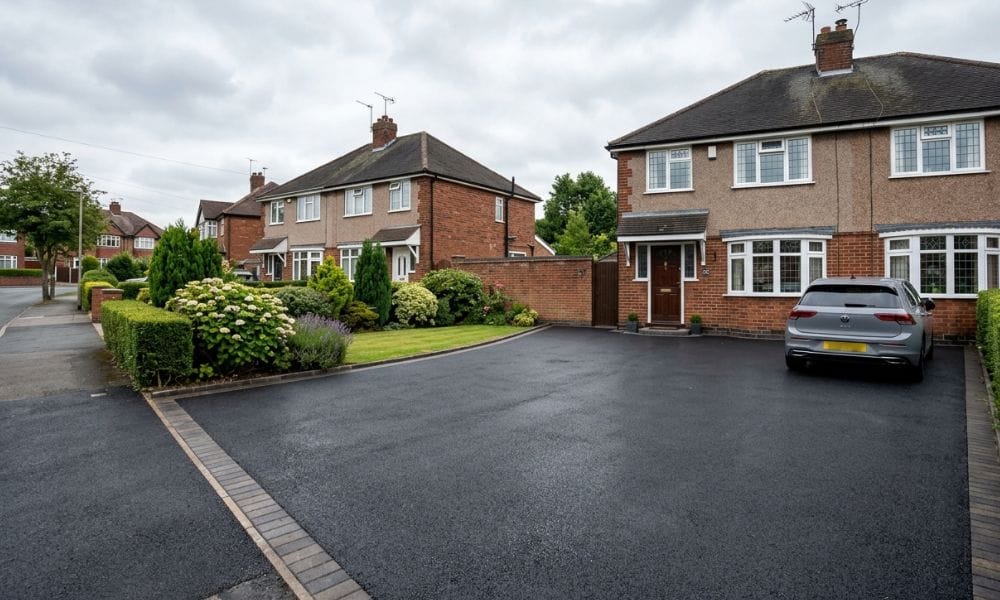
A properly installed tarmac driveway should give you 15 to 20 years before it needs any significant work. If the sub-base was prepared well and the surface has been resealed every five to seven years, it’s not unusual to get 20 to 25 years out of it. What shortens that lifespan is almost always either poor installation or a lack of basic upkeep.
It’s worth being realistic about what “lasting” means, too. After ten to fifteen years, most driveways will show some surface wear, minor cracking at the edges, or fading of colour if a coloured mix was used. That doesn’t mean the driveway has failed. A surface that looks tired but still drains properly and has no structural cracks is doing its job. The point of failure is when water starts getting under the surface and the sub-base begins to break down.
Does tarmac type make a difference?
Standard black tarmac has the longest lifespan. The bitumen in black tarmac is dense and UV-resistant, which means it holds up well under both traffic and weathering. Coloured tarmac, which uses pigment mixed into the surface layer, can fade more quickly and may need resealing sooner to keep the colour looking fresh. The structural lifespan is similar, but the cosmetic lifespan is shorter. If kerb appeal matters to you, factor that into your maintenance plan. You can read more about colour options in our coloured tarmac guide.
What affects how long tarmac lasts?
Sub-base preparation
This is the biggest single factor in how long a tarmac driveway lasts, and it’s also the one homeowners have least visibility over. A proper tarmac installation starts with digging down to a suitable depth, usually 150mm to 200mm, and laying a compacted stone sub-base before any tarmac goes down. Skip or cut corners on this, and the surface will move over time. Cracks appear, sections sink, and water finds its way in much sooner than it should.
Ted and the team at Maughan Construction have been doing this for over 30 years across Stoke-on-Trent and Staffordshire, and the most common reason we see premature failures on older driveways is an inadequate base. It’s not visible from the surface until the damage is already done, which is why choosing the right installer matters more than it might seem at the quote stage.
Drainage
Water is the enemy of any driveway surface, and tarmac is no exception. A driveway that drains properly, with the right camber or channels to direct rainwater away from the surface, will always last longer than one where water sits and pools. Standing water works its way into any small cracks, and when temperatures drop in winter it expands, making those cracks larger. Across North Staffordshire and Cheshire, where ground frost is common through November to March, poor drainage speeds up surface deterioration noticeably.
Traffic load and usage
A domestic driveway used by one or two cars will last considerably longer than a surface taking heavier vehicles regularly. Tarmac is flexible under normal conditions, but repeated loading from vans, lorries or skips will cause compaction and cracking over time. If you regularly have heavy vehicles on your driveway, mention it to your installer. The sub-base specification can be adjusted to handle greater loads.
Installer quality
A cut-price installation often means a thin tarmac layer over a minimal sub-base. This might look identical to a properly built driveway on the day it’s laid. Three or four winters later, the difference starts to show. Read our guide on the disadvantages of tarmac driveways for a fuller picture of what can go wrong and how to avoid it.
How to get more years out of your tarmac driveway
Resealing
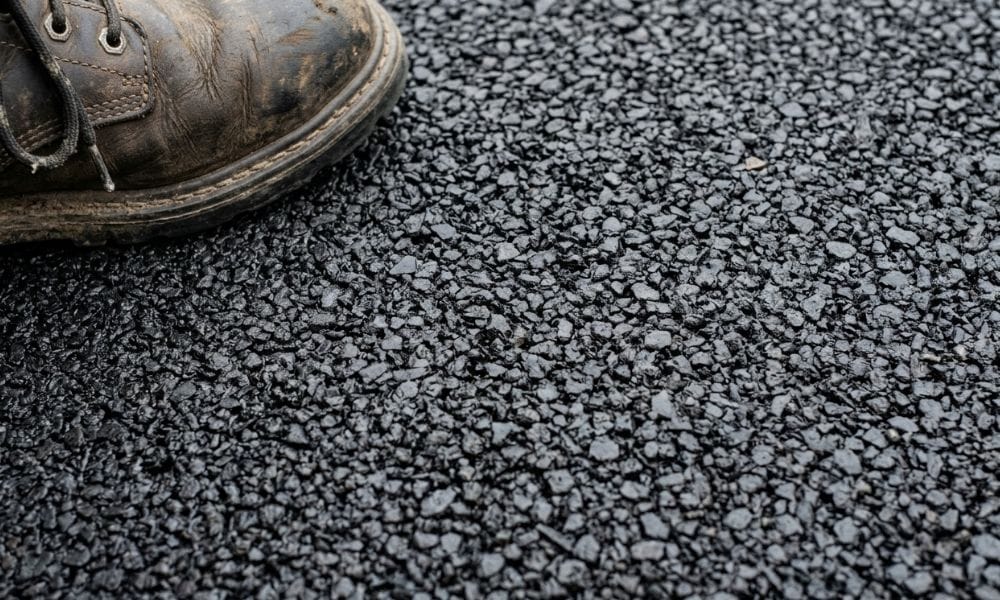
Applying a fresh sealant every five to seven years is the single most effective thing you can do to extend the life of a tarmac driveway. Sealant keeps moisture out, protects against oil and fuel spillages, and slows down the surface oxidation that causes tarmac to become brittle over time. It also restores the dark finish, which many homeowners appreciate from a kerb appeal point of view.
You can hire someone to do this or tackle it yourself. If you go the DIY route, the surface needs to be thoroughly cleaned and any cracks filled before the sealant goes on. Applying sealant over existing damage just traps the problem.
Dealing with cracks early
Small cracks are normal as tarmac ages, but leaving them unaddressed is where the real damage happens. Water gets in, the ground beneath moves, and a hairline crack becomes a pothole. Crack filler is cheap and the application is straightforward. Catching it early costs much less than repairing sections later, and it buys several more years from a surface that might otherwise need replacing ahead of schedule.
If you’re not sure whether what you’re seeing is normal surface wear or something that needs attention, our guide on tarmac driveway problems is worth a read.
Keeping it clean
Tarmac doesn’t need much in the way of cleaning, but letting oil, fuel or chemical stains sit on the surface for extended periods does soften the bitumen over time. A jet wash once or twice a year keeps the surface in good condition. Avoid harsh chemical cleaners that can strip the surface binder. Warm soapy water works fine for most stains.
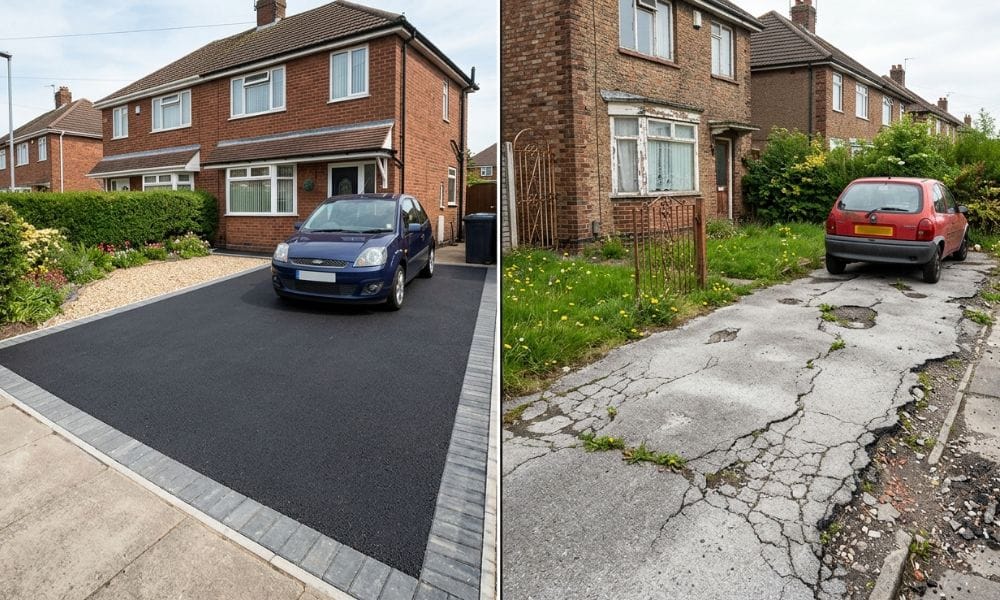
Warning signs your tarmac is getting towards the end
Surface cracking and crumbling edges
Hairline cracks across the surface are normal wear. When you start to see wide cracks, sections lifting, or edges crumbling away, the sub-base is likely compromised. At this point, patching buys time rather than solving the problem. A full replacement assessment from a specialist is usually the more honest advice.
Water pooling after rain
If rainwater consistently sits on your driveway rather than draining away, either the camber has shifted or the surface has sunk in places. This is both a drainage problem and a sign that the sub-base has moved. Left unaddressed, this will accelerate deterioration significantly.
Softening in warm weather
Some softening on a very hot day is normal, but if the surface feels spongy underfoot or tyres leave impressions in warm conditions, the surface layer may have thinned or the mix quality was not right during installation. A soft surface is also more vulnerable to fuel and oil damage.
How tarmac compares to other surfaces for lifespan
Block paving
Block paving generally outlasts tarmac when it comes to overall lifespan, with well-laid block paving lasting 20 to 30 years. Individual blocks can also be replaced if one section is damaged, which is something you can’t do with tarmac. The trade-off is upfront cost and ongoing repair flexibility. Our block paving vs tarmac cost guide covers the numbers in detail if you’re comparing the two.
Tegula paving
Tegula paving is a premium option with a similar lifespan to block paving, and it holds its appearance exceptionally well over time. It costs more to install, but for homeowners who want a surface that still looks sharp after 20 years, it’s worth considering. More detail is on our tegula paving service page.
The cost angle
Tarmac’s lower upfront cost is often the deciding factor, and that’s a perfectly reasonable position to take. A 15 to 20 year lifespan from a well-installed tarmac driveway gives you good value, and many homeowners will have moved house long before the surface needs replacing anyway. For the full cost comparison across all surfaces, our driveway cost guide breaks it down.
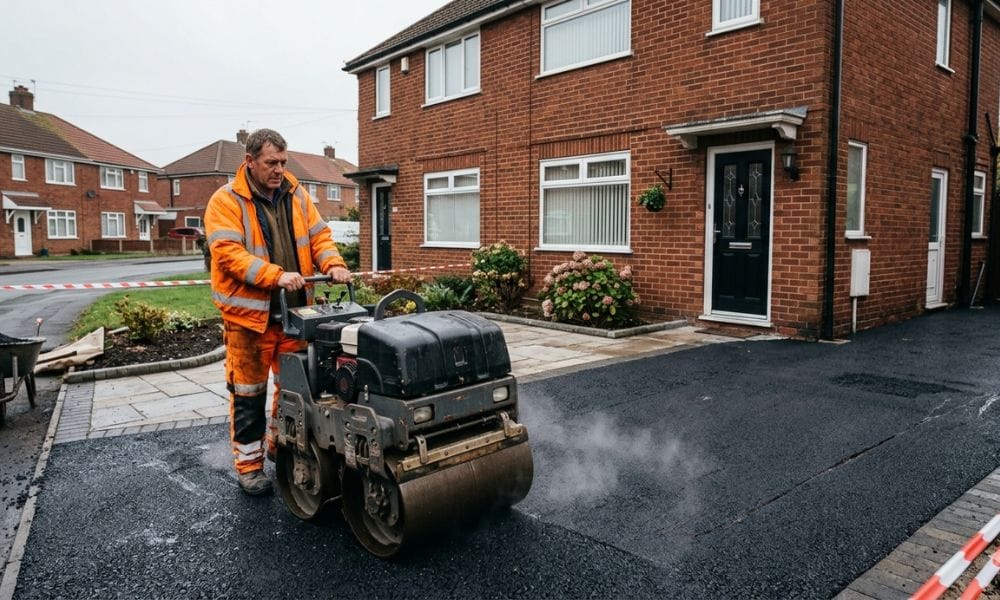
Whether you’re weighing up your options or trying to get a few more years from an existing surface, getting the right advice early saves money in the long run. Maughan Construction offers free, no-obligation quotes across Stoke-on-Trent, Newcastle-under-Lyme, Stafford, Crewe and the surrounding areas of Staffordshire and Cheshire. No deposit required until you’re completely satisfied with the work.
Get a free quote from Maughan Construction
If you’re ready to replace your tarmac driveway or want an honest assessment of how much life your current surface has left, Ted and the team are happy to take a look. Call 07500 042119 or request your free quote here.
How long does a tarmac driveway last in the UK?
A properly installed tarmac driveway typically lasts 15 to 20 years. With resealing every five to seven years and prompt repair of minor cracks, many driveways push to 20 to 25 years before needing replacement.
What is the most important factor in how long tarmac lasts?
Sub-base preparation. A compacted stone base laid at the correct depth gives the surface something stable to sit on. Without it, the surface moves over time, cracks appear, and water gets underneath, which significantly shortens the lifespan.
How often does a tarmac driveway need resealing?
Every five to seven years is the general recommendation. Resealing keeps moisture out, slows surface oxidation and protects against fuel and oil damage. It’s the most cost-effective maintenance step you can take to extend the life of the surface.
Can a tarmac driveway be repaired rather than replaced?
Yes, in many cases. Small cracks and isolated damage can be repaired at low cost. If the sub-base has failed or the surface is cracking extensively, a full replacement is usually the more practical and cost-effective route over the long term.
Does coloured tarmac last as long as black tarmac?
The structural lifespan is similar, but coloured tarmac may fade sooner. Regular resealing helps preserve the colour. If appearance over the full lifespan is a priority, discuss the pigment quality and sealant schedule with your installer before committing.