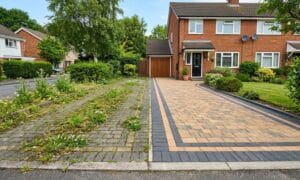
What Are the Disadvantages of Tarmac Driveways?
If you’re looking into a new driveway and tarmac is on your shortlist, it’s natural to want the full picture before you commit. Tarmac driveways are one of the most popular choices across Stoke-on-Trent and Staffordshire. They’re hard-wearing, cost-effective, and quick to install. But like any driveway material, tarmac does have its limitations.
Quick summary: the main disadvantages of tarmac driveways
- Can soften slightly in prolonged extreme heat
- Fewer colour and pattern options than block paving or tegula paving
- Can crack if sub-base preparation is poor
- Oil and fuel stains are visible on the surface
- Edges can crumble without proper kerbing
- Weeds can appear along edges or through cracks
- Needs re-sealing every few years to stay looking its best
- Absorbs heat due to its dark surface
Most of these are manageable or avoidable altogether with a proper installation. Read on for the detail on each one.
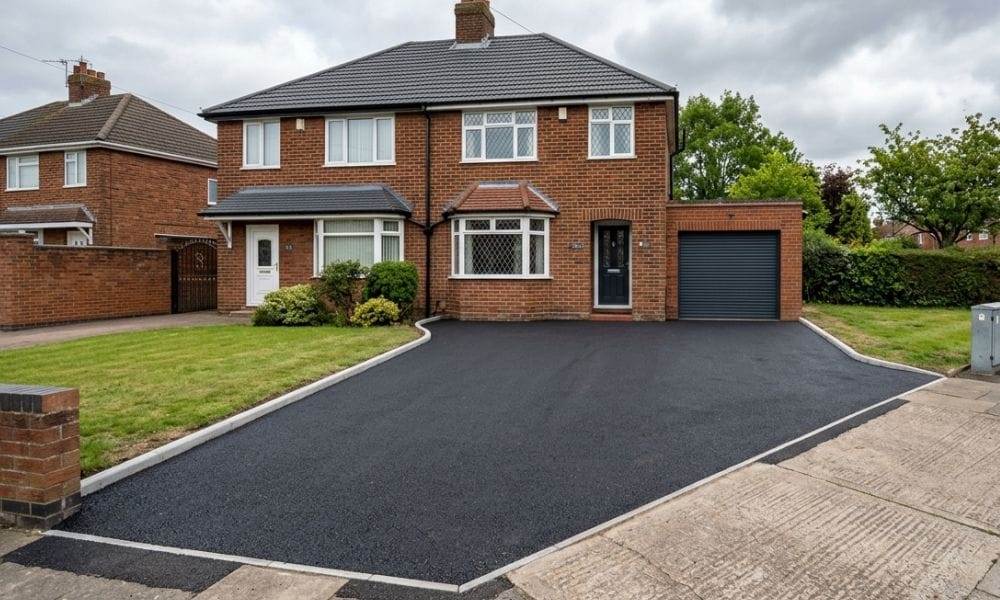
So, Is Tarmac a Good Driveway Choice?
Tarmac has been used for driveways across the UK for decades, and it remains one of the most widely chosen surfaces for a reason. It’s relatively affordable, it lasts well when looked after, and it handles heavy use without too much fuss. Across Stoke-on-Trent and the wider Staffordshire area, we install tarmac driveways week in, week out. The feedback from homeowners is consistently positive.
That said, we’d rather give you an honest answer than just tell you what you want to hear. Below are the real disadvantages worth knowing about, along with what you can do about each one.
The Disadvantages of Tarmac Driveways: And How to Overcome Them
1. Tarmac Can Soften in Very Hot Weather
Tarmac is a bitumen-based material, which means it can soften slightly during prolonged periods of intense heat. In practice, this can lead to surface impressions from vehicle tyres, especially if cars are parked in the same spot for extended periods during a heatwave.
How to overcome it: The UK doesn’t often see the kind of sustained heat needed to cause serious problems, but it does happen. Using a high-quality tarmac mix with the correct aggregate content significantly reduces this risk. Moving vehicles periodically during very hot spells also helps. For driveways in full sun, we sometimes recommend a polymer-modified tarmac, which holds up better under higher temperatures.
2. Tarmac Has Fewer Decorative Options Than Block Paving
One of the most honest things we can say about tarmac is that it doesn’t offer the same range of colours, patterns, and finishes as block paving or tegula paving. Tarmac is predominantly black or dark grey, and while that suits many properties, it won’t satisfy everyone’s aesthetic preferences.
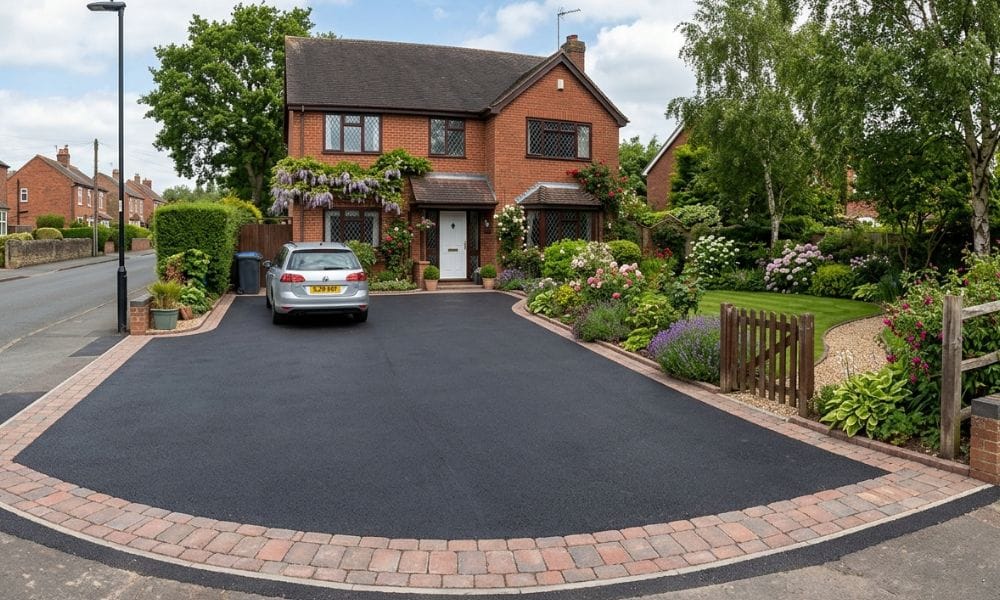
How to overcome it: A plain tarmac surface can be dressed up considerably with the right finishing touches. Block paving edging, brick borders, or a contrasting kerb line can give a tarmac driveway a much more considered, polished look. We fit decorative edgings on many of our tarmac driveways across Stoke-on-Trent that transform how the finished job looks. If aesthetics are your top priority, it’s also worth exploring whether tegula paving or a full block paving installation might suit you better.
3. Tarmac Can Crack Over Time
Like any surface exposed to the elements and daily use, tarmac can develop cracks. This is more likely to happen if the sub-base was poorly prepared, if the tarmac was laid too thinly, or if the ground beneath shifts due to tree roots or heavy vehicle pressure.
How to overcome it: The quality of installation makes a huge difference here. A properly prepared sub-base compacted, level, and deep enough to support the load is the single most important factor in how well a tarmac driveway holds up over the years. We always take the groundwork seriously before a single tonne of tarmac goes down. Small cracks that do appear over time can also be repaired and sealed relatively easily, which is one of tarmac’s advantages over some other materials.
4. Oil and Fuel Stains Are Visible on Tarmac
The dark surface of tarmac can still show oil and fuel stains, particularly fresh ones or those left to sit for a long time. If a vehicle regularly leaks oil in the same spot, it can eventually soften or degrade the surface in that area.
How to overcome it: Prompt cleaning is the simplest answer. Absorbent materials like cat litter or baking soda applied quickly can lift a fresh spill before it soaks in. Degreasers designed for tarmac surfaces also work well. For ongoing leaks, placing a drip tray under the vehicle protects the surface until the repair is sorted. A periodic seal coat also creates a barrier that makes the surface more resistant to staining.
5. Edges Can Crumble Without Proper Kerbing
The edges of a tarmac driveway are its most vulnerable point. Without proper support along the perimeter, the edges can begin to break away over time, especially where vehicles regularly mount or overhang the edge.
How to overcome it: A solid edging restraint whether that’s a concrete kerb, a block paving border, or a metal restraint system keeps the tarmac locked in place and prevents the edges from moving or crumbling. This is standard practice on every driveway we install. If you’re getting quotes elsewhere, always ask what edging provision is included, because this is an area where corners get cut.
6. Weeds Can Appear Along Edges and Through Cracks
Weeds won’t typically push straight through a well-laid, intact tarmac surface. However, they can establish themselves along the edges, in any gaps between the tarmac and an adjoining wall, or in cracks that develop over time.
How to overcome it: A good installation minimises gaps and ensures tight joints at boundaries. Applying a weed membrane beneath the surface during installation reduces the risk further. For the odd bit of weed growth that does appear, a path weedkiller handles it quickly. Keeping on top of it during the growing season is the most effective approach, and it’s no more effort than managing any other driveway surface.
7. Tarmac Needs Periodic Sealing to Stay at Its Best
Tarmac isn’t completely maintenance-free. Without occasional re-sealing, the surface can begin to oxidise, turning from a deep black to a duller grey, and becoming slightly more porous and brittle over time.
How to overcome it: A seal coat applied every few years keeps the surface looking fresh and adds a layer of protection. It’s not an expensive or disruptive job, and it significantly extends the life of the driveway. Think of it in the same way as repointing block paving or resealing a resin surface, a small maintenance commitment that pays off over the long term.
8. Tarmac Absorbs Heat
Because tarmac is dark, it absorbs rather than reflects sunlight. On a hot day, the surface can become noticeably warm underfoot. In extreme cases, this contributes to the softening issue mentioned above.
How to overcome it: For most homeowners, this is a minor practical concern rather than a real problem. The surface cools quickly once the sun moves or temperatures drop in the evening. If this is a specific concern, lighter aggregate mixes or a pale stone chip dressing applied to the surface can reduce heat absorption while still providing a tarmac base.
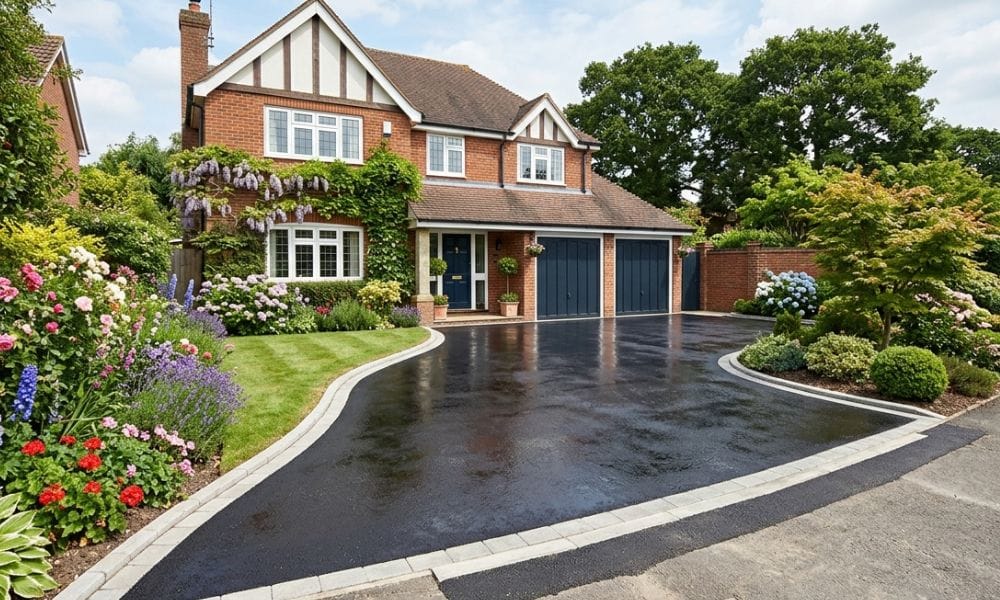
Why Tarmac Driveways Are Still One of the Most Popular Choices in Stoke-on-Trent
Having covered the disadvantages honestly, it’s worth putting them in context. Every driveway surface has its trade-offs. Block paving needs repointing. Resin can bubble if laid on a poor base. Concrete can crack and is expensive to repair. Gravel migrates onto the road and requires constant topping up.
Tarmac driveways consistently come out well when you weigh up cost, durability, maintenance requirements, and lifespan. A well-installed tarmac driveway in Stoke-on-Trent can last 20 to 30 years with basic care. The installation is quick, often completed in one or two days, and the surface is ready to use within 24 hours.
For families, rental properties, and anyone who wants a clean, functional driveway without a large upfront outlay, tarmac is genuinely hard to beat. It handles the freeze-thaw cycles common in the Staffordshire area well, and it’s forgiving of heavy vehicles like vans and 4x4s that put pressure on lighter surfaces.
Getting the Best from Your Tarmac Driveway: Our Top Tips
Whether you’re about to have a tarmac driveway installed or you’re looking after an existing one, these points make a real difference to how long it lasts and how good it looks:
- Choose a reputable installer. Poor sub-base preparation is the root cause of most tarmac driveway problems. Ask to see previous work you can browse our completed projects here and check reviews before committing.
- Make sure proper edging is included in the quote. Edge restraints are not optional if you want the driveway to hold its shape.
- Seal the surface every three to five years to protect against oxidisation and surface wear.
- Deal with cracks promptly. Small repairs are cheap and straightforward. Leaving a crack to grow is how you end up with a much bigger job.
- Avoid parking in the same spot for extended periods during a summer heatwave, particularly with heavier vehicles.
- Clean up oil spills quickly. A five-minute job when it happens beats a stained surface for years afterwards.
Why Choose Maughan Construction for Your Tarmac Driveway in Stoke-on-Trent?
We’ve completed over 1,000 driveways across Stoke-on-Trent and Staffordshire over more than 30 years, and tarmac driveways make up a significant part of that work. Areas like Trentham, Longton, Newcastle-under-Lyme, and Burslem are all on our doorstep, and we know the ground conditions, property styles, and drainage requirements across the region well.
Every job starts with a proper sub-base assessment. We don’t quote a price and then cut corners on depth or materials to protect the margin. The groundwork is where most tarmac driveway problems start, and it’s where we spend the most time getting things right.
If you’re weighing up tarmac against block paving or tegula paving, we’re happy to talk through both options based on your budget, your property type, and what you actually want from the finished job. There’s no pressure and no hard sell. We have 400+ five-star reviews because we give people straight answers, not because we talk them into the most expensive option.
Get in touch for a free, no-obligation quote and we’ll come out to take a look.
Frequently Asked Questions About Tarmac Driveways
How long does a tarmac driveway last?
A properly installed tarmac driveway typically lasts between 20 and 30 years. Regular sealing and prompt crack repairs extend that lifespan further. The quality of the sub-base is the biggest factor — a well-prepared foundation is what separates a driveway that lasts decades from one that starts failing within a few years.
Is tarmac cheaper than block paving?
Generally, yes. Tarmac is one of the most cost-effective driveway surfaces available, both for installation and long-term maintenance. Block paving offers more decorative options but comes at a higher upfront cost. If budget is your main priority, tarmac is usually the better starting point.
Can tarmac driveways be repaired?
Yes, and this is one of tarmac’s genuine advantages. Cracks and damaged sections can be cut out and patched relatively easily, and a reseal brings the surface back to a uniform finish. With block paving, matching original bricks can sometimes be tricky. With tarmac, repairs tend to be straightforward and cost-effective.
Do tarmac driveways need planning permission?
Most standard tarmac driveways on residential properties in England don’t require planning permission, though there are conditions around drainage. We advise on this as part of the quoting process, and we can install drainage-compliant permeable surfaces where needed. If you’re unsure, get in touch and we’ll point you in the right direction.
How soon can I use a tarmac driveway after installation?
You can generally walk on a tarmac driveway within a few hours of laying. Most installers recommend waiting 24 to 48 hours before driving on it, though this varies with weather conditions and the specific mix used. We’ll always give you a clear timeframe on your specific job before we leave the site.
Does tarmac crack in cold weather?
A properly laid tarmac driveway handles cold temperatures well. Tarmac is more flexible than concrete, which means it’s less prone to frost damage. The bigger risk is water getting into existing cracks, freezing, and expanding — which is why sorting small repairs before winter is always a good idea.
Can I have tarmac on a sloped driveway?
Yes. Tarmac works well on sloped driveways and can be laid to direct surface water away from the property. The gradient needs to be assessed before installation to make sure drainage is managed correctly. We carry out a full site assessment on every job before any work begins.
Maughan Construction install tarmac driveways across Stoke-on-Trent, Staffordshire, Stafford, and Crewe. Contact us today for a free quote.